
A Guide to Containment Products, Planning, and Implementation for Tier 1 Suppliers
In the automotive supply chain, the speed at which you respond to a quality non-conformance defines your reputation. When a defect is identified, you don’t just need a quick fix; you need comprehensive automotive quality containment solutions that protect your customer and your bottom line.
However, many manufacturers struggle to decide between investing in internal containment products or partnering with a professional containment company to manage the entire process.
Understanding the Containment Process
A robust containment process is a multi-layered defense system. It is designed to ensure that 100% of the parts reaching the OEM assembly line meet the required quality standard. This process typically follows three critical stages:
Identification: Detecting the non-conformity through automated sensors or manual inspection.
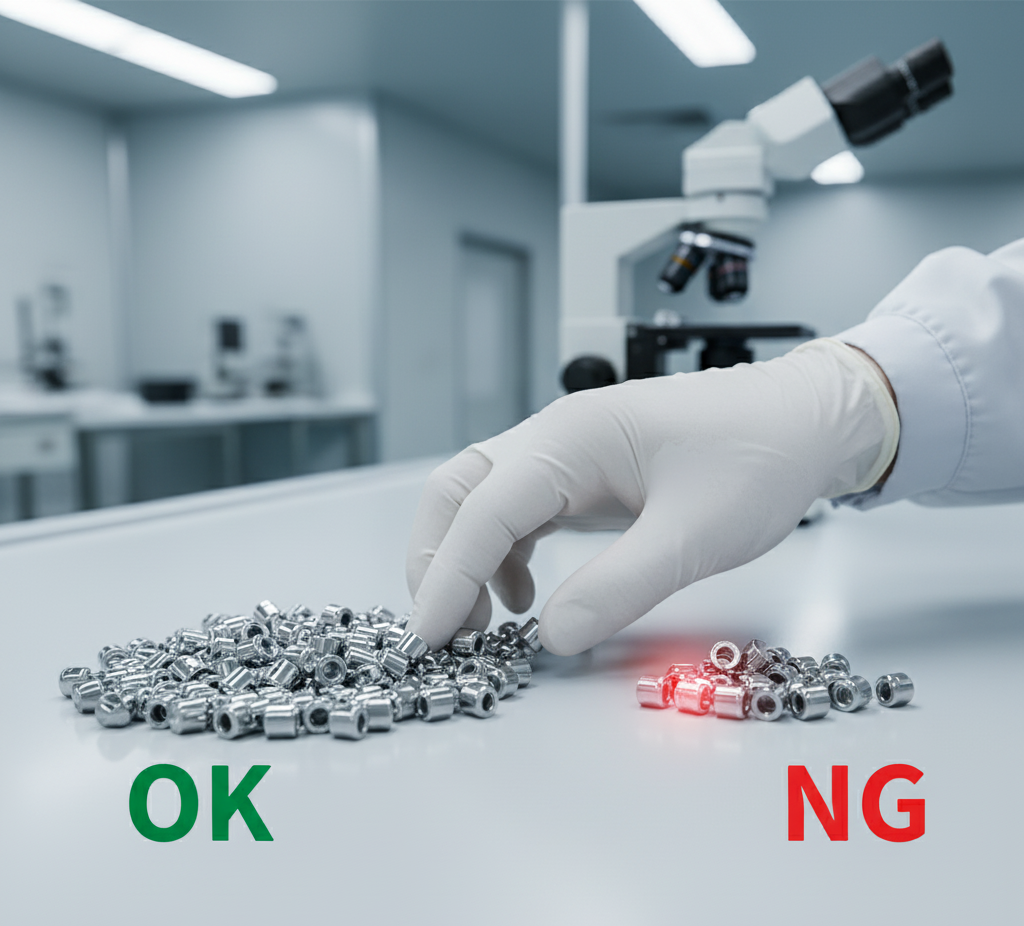
Segregation: Physically removing suspect material to a “quarantine” area to prevent accidental use.
Certification: Inspecting the material using specialized gauges or vision systems and marking them as “Green” (certified) for production.
Containment Products vs. Service-Driven Solutions
While some plants invest in containment products like specialized racks, red-bin systems, and automated vision sensors, these tools are only as effective as the containment plan behind them.
A service-driven solution—where a third-party team manages the containment—offers several advantages:
Objective Oversight: Third-party inspectors have no incentive to “pass” marginal parts.
Scalability: You can ramp up the inspection team size instantly without hiring permanent staff.
Compliance: Professional containment companies ensure all documentation meets IATF 16949 and OEM-specific requirements.
Building a Bulletproof Containment Plan
Every quality escape requires a custom containment plan. This document should detail the specific defect being targeted, the inspection method (e.g., visual, gauging, or NDT), and the criteria for success. Without a documented plan, you risk “secondary escapes” where the sorting process itself fails to catch the defect.
Partnering with a Michigan Containment Company
For suppliers in the Detroit area, having a local partner is essential. Proximity allows for faster response times and lower logistics costs. PTI Quality Containment Solutions provides the localized expertise needed to turn a quality crisis into a controlled, manageable event.
Contact Us Today:
Phone: (833) 784-9675
Address: 18615 Sherwood St, Michigan, 48234